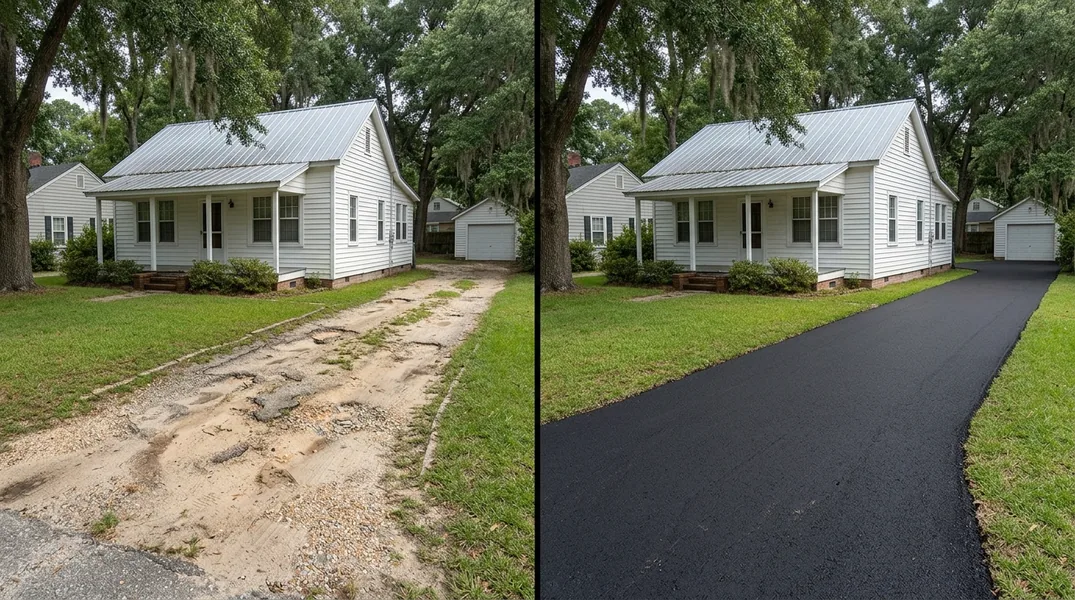
How Long Does New Asphalt Take to Cure?
When you invest in Asphalt Driveway Paving & Installation in Columbia, understanding the curing timeline is essential for protecting your new surface. Asphalt curing is not an instant process. When our crews finish laying and compacting your new driveway, the material begins a gradual hardening process that continues for weeks and even months. The initial cure (what we call the surface cure) typically takes 24 to 48 hours, during which the asphalt becomes firm enough for light foot traffic and vehicles.
However, full curing takes considerably longer. In ideal conditions, new asphalt continues to harden and strengthen for 6 to 12 months. During this extended curing period, the binder in the asphalt continues to set, and the material becomes increasingly resistant to wear, cracking, and damage. Columbia's hot, humid summers can actually speed up the initial curing process, but they also mean you need to be extra cautious about how you treat your driveway during those first critical weeks. Temperature, humidity, and traffic load all influence how quickly asphalt reaches its full strength.
How Long Before You Can Drive on New Asphalt?
This is one of the most common questions homeowners ask after having Asphalt Driveway Paving & Installation completed. The short answer is that you can typically drive on new asphalt after 24 to 48 hours, but there are important conditions to follow. During those first 24 hours, the surface is still soft and vulnerable. Walking on it in heavy shoes or parking a vehicle on it can leave marks, and the material can shift under weight. After 48 hours, light driving is generally safe, but you should still avoid heavy trucks, extended parking in one spot, or rapid acceleration and braking.
For the first 7 days, treat your new driveway with extra care. Avoid parking in the same location for extended periods, as the weight can cause depressions in the still-curing asphalt. Don't perform burnouts or heavy acceleration, and try to distribute vehicle weight evenly across the surface. By the end of the first week, the asphalt will have cured enough for normal daily use. However, keep in mind that the material continues to harden for months afterward. During summer months in Columbia, the heat can soften the asphalt slightly, so even after the initial cure period, avoid leaving heavy vehicles parked in the sun for extended periods during the hottest months of the year.
New Asphalt Driveway Care: Essential First Steps
Proper new asphalt driveway care during the first few weeks and months sets the foundation for a long-lasting surface. The most important thing you can do is keep water off your new driveway for the first 48 to 72 hours. This means avoiding washing it, not intentionally spraying it with a hose, and trying to keep it dry during rain. Water can penetrate the surface before it fully cures and weaken the bond between layers. If heavy rain is forecast right after installation, don't panic, but do try to minimize standing water and allow it to drain naturally.
For the first month, avoid using harsh chemicals, salt, or de-icers on your new asphalt, even if you live in an area that experiences occasional frost. These substances can damage the binder and accelerate deterioration. Also, avoid using your driveway for storage of heavy equipment or materials during the first 30 days. The weight and potential for concentrated pressure points can compromise the curing process. Sweep away dirt and debris regularly, but don't use pressure washers or aggressive cleaning methods for at least 60 days. Once your driveway has fully cured after several weeks, you can resume normal cleaning and maintenance routines.
How Often Should You Seal Your Driveway?
Sealing is one of the most effective ways to extend the life of your asphalt driveway and protect it from the elements. Asphalt Resurfacing & Overlay services can restore older driveways, but preventive sealing is far more cost-effective. Generally, you should seal your driveway for the first time 6 to 12 months after installation. This allows the asphalt to fully cure and the surface to stabilize before applying a seal coat. After that initial seal, you should reapply sealant every 2 to 3 years, or more frequently if your driveway experiences heavy use or harsh weather conditions.
The frequency of sealing depends on several factors, including traffic volume, climate conditions, and the quality of the original installation. In Columbia's climate, where summer heat and humidity can be intense, seal coating every 2 to 2.5 years is often ideal. Sealant protects against UV damage, water penetration, oil stains, and oxidation, all of which can significantly reduce your driveway's lifespan. A well-sealed driveway can last 15 to 20 years or more, while an unsealed one may only last 8 to 10 years. The investment in regular sealing is minimal compared to the cost of major repairs or complete replacement. If you notice cracks, potholes, or significant wear between seal applications, contact Columbia Asphalt Paving at (803) 661-0887 to discuss Driveway Repair options.
Summer Heat and Asphalt Curing in Columbia
Columbia's summer temperatures can reach the high 80s and 90s Fahrenheit, which affects how your asphalt cures and behaves. The good news is that warm temperatures generally accelerate the initial curing process, meaning your driveway may become drivable slightly faster in summer than in cooler months. However, this heat also presents challenges. Hot asphalt is softer and more pliable, which means it's more susceptible to damage from heavy loads, sharp objects, and concentrated pressure during the curing period. If you have new asphalt installed during summer, be especially vigilant about avoiding parking in the same spot and preventing heavy vehicles from sitting on the surface.
Heat can also cause the asphalt to expand slightly, which is normal and not a cause for concern if your driveway was installed correctly with proper expansion joints. However, the combination of heat and moisture can sometimes lead to issues if water gets trapped beneath the surface before the asphalt fully cures. This is why keeping water off your new driveway during the first few days is particularly important in summer. Additionally, summer UV rays can begin oxidizing the asphalt surface even before it fully cures. This is another reason why applying a seal coat 6 to 12 months after installation is so important for protecting your investment and maintaining that dark, attractive appearance.
When to Call a Professional for New Asphalt Installation Near Me
Installing a new asphalt driveway is not a DIY project. The process requires specialized equipment, professional expertise, and knowledge of proper installation techniques and curing protocols. When you're ready to invest in Asphalt Driveway Paving & Installation, choosing a reputable local contractor makes all the difference. Columbia Asphalt Paving has the experience and equipment to ensure your driveway is installed correctly, cures properly, and lasts for years to come. We understand the specific challenges of Columbia's climate and tailor our installation and curing protocols accordingly.
If you're experiencing issues with an existing driveway, such as cracks, potholes, or deterioration, don't wait until the damage becomes severe. Early intervention with Pothole Repair & Asphalt Patching can prevent more costly repairs down the road. Whether you need a completely new driveway or maintenance on an existing one, contact Columbia Asphalt Paving today for a free estimate. Call us at (803) 661-0887 to discuss your project, ask questions about curing times and care, and learn about our pricing options. We're committed to delivering quality workmanship and helping you protect your investment for the long term.
Looking for a professional asphalt paving contractor in Columbia? Columbia Asphalt Paving responds fast for all your asphalt paving needs.
Get a Free Quote